
Five Royal Spoonbills in breeding plumage feeding near Waione Bridge near the mouth of the Hutt river at Petone.
New Zealand and World Wide
Five Royal Spoonbills in breeding plumage feeding near Waione Bridge near the mouth of the Hutt river at Petone.
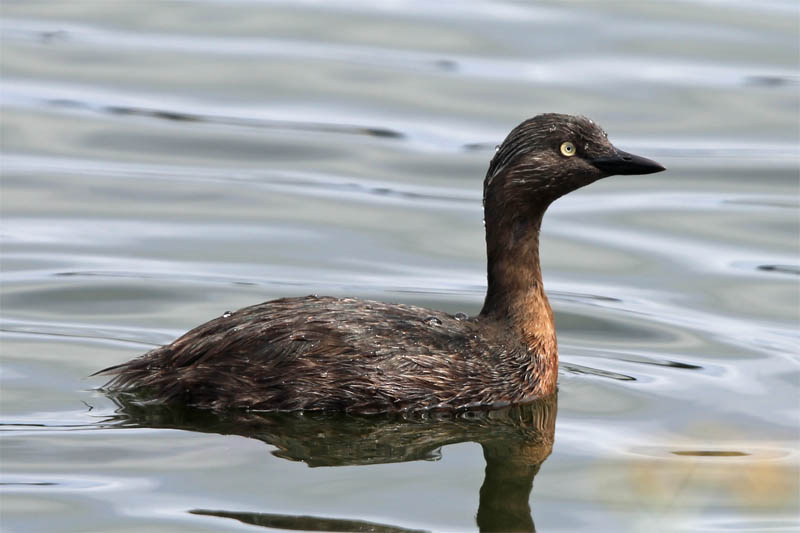
There is a good population of NZ Dabchick near Wellington, at Pharazyn Reserve in Waikanae and the Otaki Oxidation ponds. This bird was seen from the hide at Pharazyn Reserve.
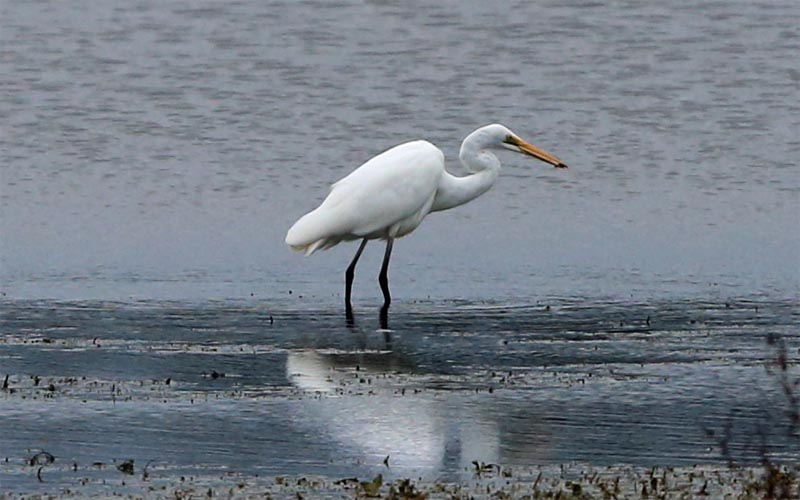
Lake Omanu is near Foxton. A permit is required from Fish & Game to visit the lake. Among the other waterfowl we found a White Heron. There were 3 Royal Spoonbill roosting in a tree, and a Bittern hiding in the reeds on a small island in the middle of the lake. In previous years we have had up to 3 White Heron, Little Egret and Cattle Egret also on the lake.
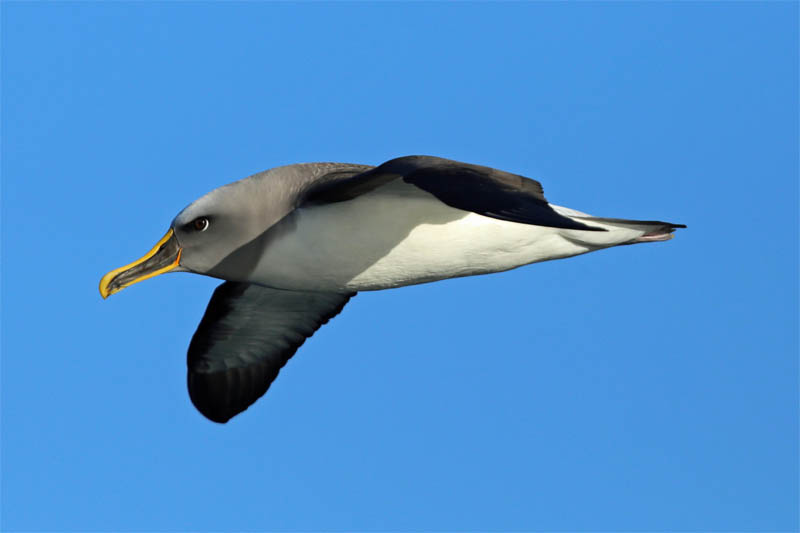
We did a pelagic out into Cook Strait with a local fishing charter, and you don’t need to go very far before the Albatrosses turn up. We also had White-capped, Salvin’s, Royals and Black-browed. This is a Northern Buller Mollymawk. The bill is strikingly colourful.

This bird turned up at the Gannet colony at Muriwai in December 2014. Only a couple of these birds turn up around the New Zealand mainland each year.
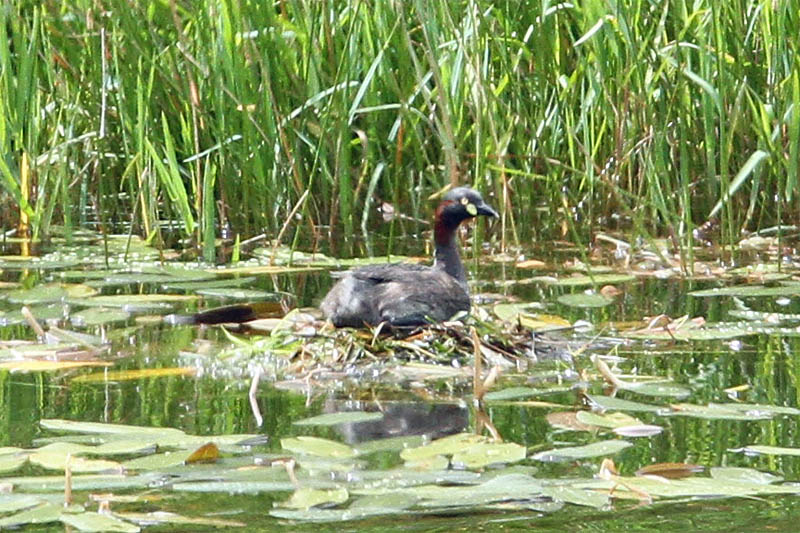
These birds are reasonably common on lakes and ponds in the far north. A pair had a nest on a small pond on a private property on Ormiston Road near Ruakaka. They are a bit shy, diving if you get too close and swimming off.
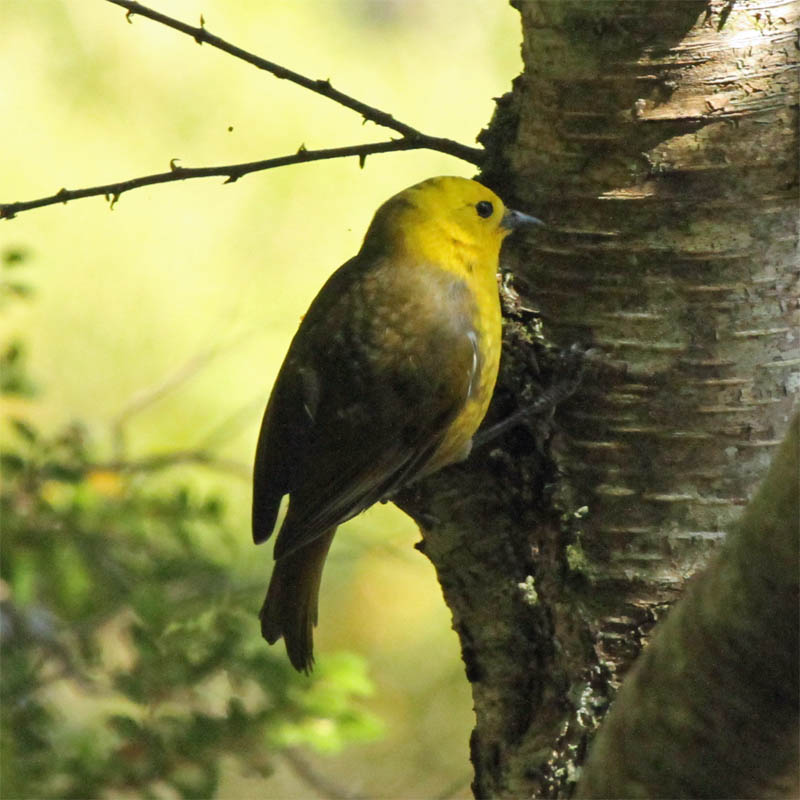
As part of the OSNZ national conference in June 2013 we did a field trip to the Catlin’s area south of Dunedin with the intention of looking for Yellowhead. We found three small groups of birds, but it is still hard to get a good photo as they move actively through the trees. Their call is nice to hear wafting through the bush.

Seen on a trip to Blumine Island in the Marlborough Sounds, where these rare parakeets have been introduced and are breeding well. It is quite hard to see the faint orange above the bill unless these birds are at close quarters. Otherwise they are similar to the Yellow-Crowned Parakeet.

The Kaikoura pelagics always pick up a good range of Albatross and Shearwater species. This is the Gibson’s Wandering Albatross, the one most commonly found in NZ waters. There is a lot of confusion over the “Wandering” Albatross species. The Antipodean Albatross is very rare in NZ waters, as is the much paler Snowy Albatross – all of which are generically referred to as “Wandering”.

The North Island Kokako is pretty rare and only found in a few dense bush areas where populations have been preserved. There are several pairs at Boundary Stream reserve near Napier. (The South Island Kokako is almost certainly extinct). You need to be in the area first thing in the morning to hear their beautiful haunting call wafting through the forest.
 NZ Birding